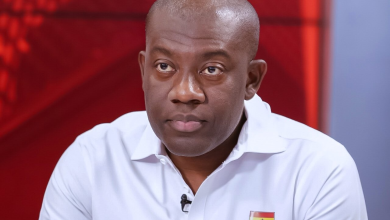
The Minister for Roads and Highways, Governs Kwame Agbodza, has directed contractors working on new road construction projects to collaborate closely with the Ghana Highways Authority to ensure that all designs are compatible with the country’s planned electronic tolling system.
The directive was issued during an on-site inspection of ongoing road projects in Accra, including the expansion works on the Accra–Tema Motorway.
The minister said early integration of tolling technology into road design would prevent costly modifications in the future and ensure seamless operation once the electronic toll system is introduced.
According to Mr Agbodza, a third-party firm will be responsible for designing the electronic tolling infrastructure. He stressed that aligning engineering designs with the tolling framework from the outset was critical to avoiding operational disruptions when the system becomes fully operational.
He also addressed concerns about delays caused by the relocation of essential utility services such as electricity and water lines.
“It seems that many of our major projects face challenges in relocating services, particularly electricity and water. The good news is that, as of now, all outstanding payments have been settled,” he said.
The minister added that there were no pending payment certificates on the Accra–Tema Motorway expansion project, urging contractors and consultants to re-engage subcontractors and accelerate progress.
He assured project teams of the government’s continued support to ensure that work proceeds according to schedule.
Mr Agbodza commended the contractors for the progress made so far and encouraged them to maintain momentum to meet project deadlines. The project manager for the motorway expansion, Engineer Ben Sackey, reaffirmed the contractor’s commitment to delivering the project within the agreed timeframe of August 2, 2027.
The Accra–Tema Motorway remains one of the country’s most important transport corridors, linking the capital to the port city of Tema.
Officials expect that the settlement of outstanding debts and improved coordination with utility agencies such as the Electricity Company of Ghana and Ghana Water Limited will help speed up the pace of work and ensure timely completion.