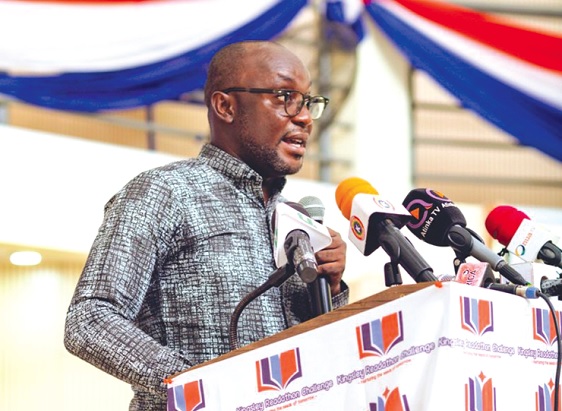
Dr. Kingsley Agyemang, Member of Parliament for Abuakwa South and ranking member on the Health Committee of Parliament has called on the government to urgently strengthen Ghana’s public health emergency preparedness following the confirmation of an imported Ebola case in Nigeria, warning that the country must not wait for an outbreak before addressing potential gaps in its health system.
In a press statement issued on Monday, October 26, 2026, Dr. Agyemang said the development raised public health concerns for Ghana and the wider West African subregion, given the movement of people and goods across national borders.
Nigeria confirmed a case involving the Bundibugyo Ebola virus on October 20, 2026. Subsequent genomic analysis indicated that the virus was closely related to a strain identified in Kenya, although this did not establish direct transmission between the two countries.
Dr. Agyemang stressed that Ghana’s regional travel networks, commercial activities and population movements made vigilance essential, noting that “early detection, effective surveillance and rapid response remain our strongest safeguards against a public health emergency.”
While acknowledging the Ministry of Health’s announcement of intensified surveillance and preparedness measures, including enhanced monitoring at Kotoka International Airport, he argued that preparedness must go beyond official announcements.
“Preparedness must extend beyond official announcements to demonstrable operational readiness across our health system,” he stated.
He urged the Ministry of Health and the Ghana Health Service to strengthen surveillance at major points of entry, particularly land borders, activate regional and district rapid response teams, and assess the readiness of designated isolation and treatment facilities.
He also called for adequate supplies of personal protective equipment, diagnostic materials and infection prevention resources, alongside practical training and emergency simulation exercises to prepare frontline healthcare workers for a possible outbreak.
Dr. Agyemang further emphasised the need for timely funding to support emergency preparedness, warning against waiting for a confirmed case to expose weaknesses in the country’s response systems.
On public education, he called for clear, transparent and evidence-based communication to educate Ghanaians on Ebola symptoms, preventive measures and appropriate reporting channels without creating unnecessary fear. He also advocated stronger cooperation with the World Health Organization, the Africa Centres for Disease Control and Prevention, and neighbouring countries.
The statement also renewed concerns Dr. Agyemang had raised in March 2026 about Ghana’s public health emergency preparedness. He questioned the progress made since then and called on the Minister for Health to account for funds allocated, released and spent on emergency preparedness.
“The Minister for Health must provide Parliament and the Ghanaian public with a clear account of the funds allocated, released and utilised for emergency preparedness,” he said, adding that the government must provide evidence of operational improvements achieved since March.
“Public health security must be measured by concrete action, not assurances alone,” he stressed.
According to the latest official Ghanaian update cited in the statement, no Ebola case had been confirmed in the country. Dr. Agyemang said this should reassure the public but must not lead to complacency.
He urged the government to use the developments in Nigeria as an opportunity to demonstrate Ghana’s readiness to prevent and manage public health emergencies.
“Ghana must not wait for its first confirmed Ebola case before discovering gaps in its public health emergency response system,” he warned.
He maintained that strengthening preparedness today was essential to protecting lives and reducing the risk of a future public health crisis.
Source: Purefmonlinegh.com || 2026