
Dual Citizens to contest for Parliament, become CJ without renouncing citizenship – AG
By: Evans Osei-Bonsu
Subject to the necessary constitutional amendments, dual citizens, will not be required to renounce their citizenship of another country before contesting parliamentary elections and occupying key constitutional positions, including becoming Chief Justice, under proposed constitutional reforms.
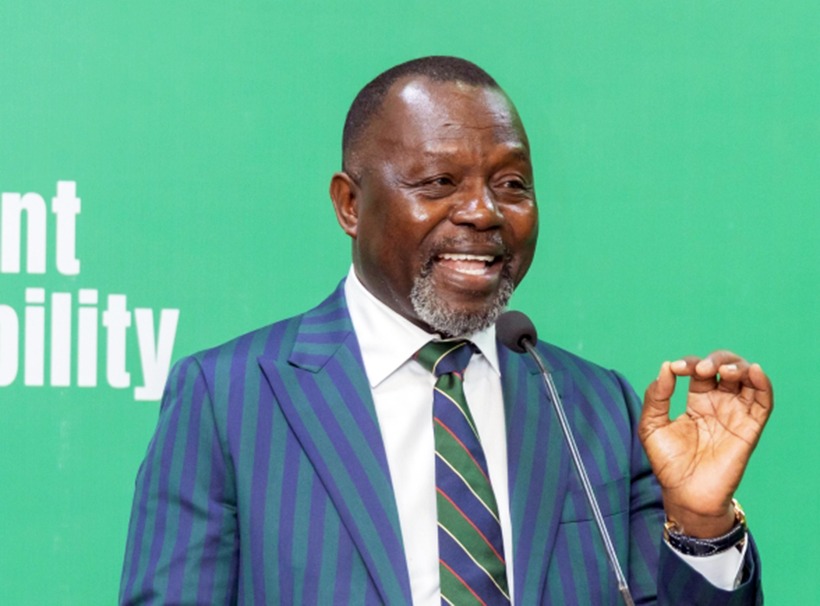
This position was disclosed by the Attorney General and Minister for Justice, Dr. Dominic Ayine, in Accra when he outlined Government’s position on the recommendations of the Constitution Review Committee.
Mr. Ayine explained that Government had accepted proposals to remove restrictions that have historically prevented Ghanaian citizens with dual nationality from fully participating in certain areas of public service and will be laying the necessary processes to effect the necessary constitutional amendments to reflect this position.
Under the proposed reforms, a Ghanaian citizen who holds citizenship in another country will be eligible to contest for Parliament and occupy high constitutional offices, including the office of Chief Justice, without being compelled to surrender their second citizenship.
Previously, dual citizens faced constitutional restrictions that limited their eligibility for certain public positions. Article 94(2)(a) of the 1992 Constitution provides that a person shall not be qualified to be a Member of Parliament if they “owe allegiance to a country other than Ghana.”
The provision has been the basis for several legal challenges involving parliamentary candidates suspected of holding allegiance to other countries. One of the most prominent cases involved the Assin North Member of Parliament, James Gyakye Quayson who in 2020, had his eligibility challenged over his Canadian citizenship.
Other Ghanaian politicians, including former Member of Parliament for Ketu South, Fifi Kwetey, and former Foreign Affairs Minister Hanna Tetteh, have also had their eligibility for public office discussed in relation to dual citizenship restrictions, although the circumstances and legal outcomes differed.
The proposed amendment seeks to address what critics have described as a limitation on the participation of Ghana’s diaspora community and citizens who acquire foreign citizenship while maintaining strong ties with Ghana and in line with the changing global dynamics of governance.
The dual citizenship proposal forms part of a broader package of constitutional reforms aimed at strengthening governance, improving representation, and modernising Ghana’s democratic institutions.
Government has also accepted a proposal to cap the number of ministers appointed at any given time at 60. The ministers may be selected from within or outside Parliament, providing flexibility while limiting the size of the Executive.
Additionally, the number of Members of Parliament will be capped at 300, with 236 members elected directly by constituents and 64 seats allocated through proportional representation to promote broader inclusion in Parliament.
The reforms, according to Government, are intended to create a more inclusive constitutional framework that allows more qualified Ghanaians, including those in the diaspora, to contribute to national development.
The Government shall trigger the necessary constitutional processes to amend the constitution in the coming weeks.
Some of these proposed reforms will be subjected to referendum whilst others will be subjected to parliamentary acceptance, before the reforms can come into fruition.
Source: Purefmonlinegh.com || Evans Osei-Bonsu || 2026