
Chief Justice Gertrude Torkornoo Removed from Office
By Adwoa Nyarko Asiamah | September 1, 2025
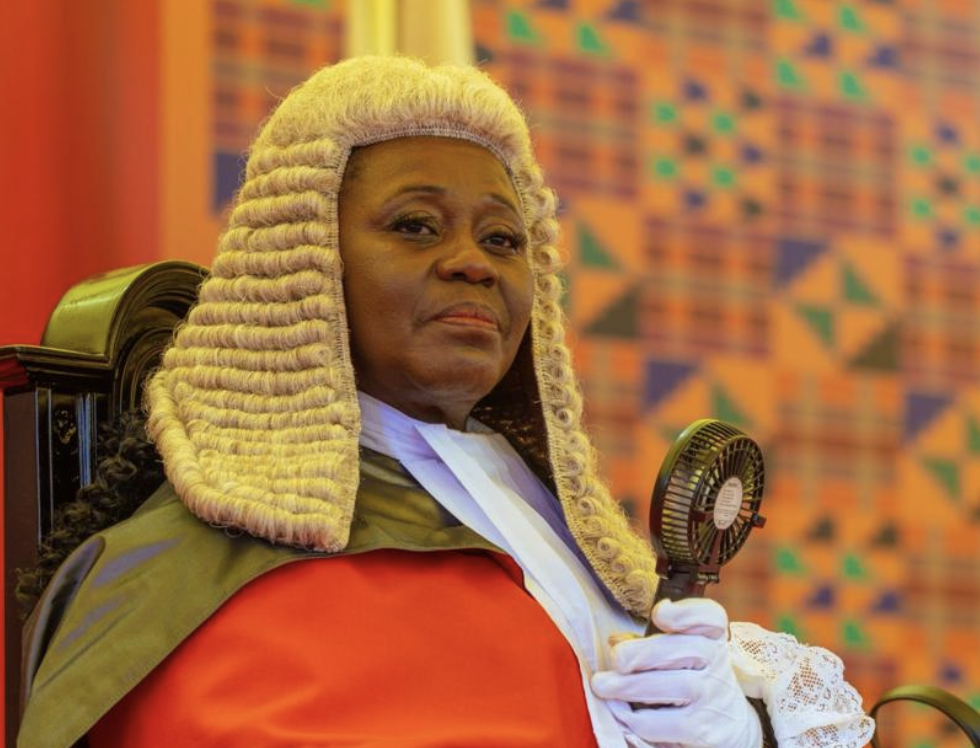
President John Dramani Mahama has, in accordance with Article 146(9) of the 1992 Constitution, removed Chief Justice Gertrude Araba Esaaba Sackey Torkornoo from office with immediate effect. The decision follows the report of a five-member Committee of Inquiry established under Article 146(6) to investigate multiple petitions calling for her removal.
In April this year, after determining that a prima facie case had been made against the Chief Justice, the President — in consultation with the Council of State — suspended her from office and triggered the formation of the inquiry panel. The committee, chaired by Supreme Court Justice Gabriel Scott Pwamang and comprising two other justices of the Supreme Court, former Auditor-General Daniel Domelevo, a representative of the Ghana Armed Forces, and a university professor, examined nearly 10,000 pages of evidence and heard from several witnesses before reaching its conclusion.
The panel found that allegations of stated misbehaviour under Article 146(1) had been sufficiently proven and therefore recommended her removal. In line with Article 146(9), the President was bound to act on the committee’s findings, which culminated in Monday’s announcement.
Justice Torkornoo, who had been suspended since June 25, 2025, has consistently rejected the process. In her public remarks, she described the proceedings as unconstitutional, opaque, and “cruel,” stressing that she would not resign because doing so would legitimize what she considers flawed procedures.
Her removal has drawn strong reactions within Ghana’s legal community. Former Chief Justices Sophia Akuffo and Anin Yeboah, along with Justice Jones Dotse and senior statesman Nana Dr. S.K.B. Asante, all appeared before the inquiry to defend her. Meanwhile, two additional petitions filed in April — bringing the total to five — heightened scrutiny of the judiciary’s leadership.
The removal of Justice Torkornoo marks the first time in Ghana’s Fourth Republic that a sitting Chief Justice has been ousted through constitutional proceedings. The unprecedented development has ignited debate about judicial independence, executive authority, and the balance of power under the 1992 Constitution. Attention now turns to the appointment of an acting Chief Justice and the eventual selection of her substantive successor, a decision that will shape the future of Ghana’s judiciary and its public credibility.


