
By: Dr. Kwame Adinkrah
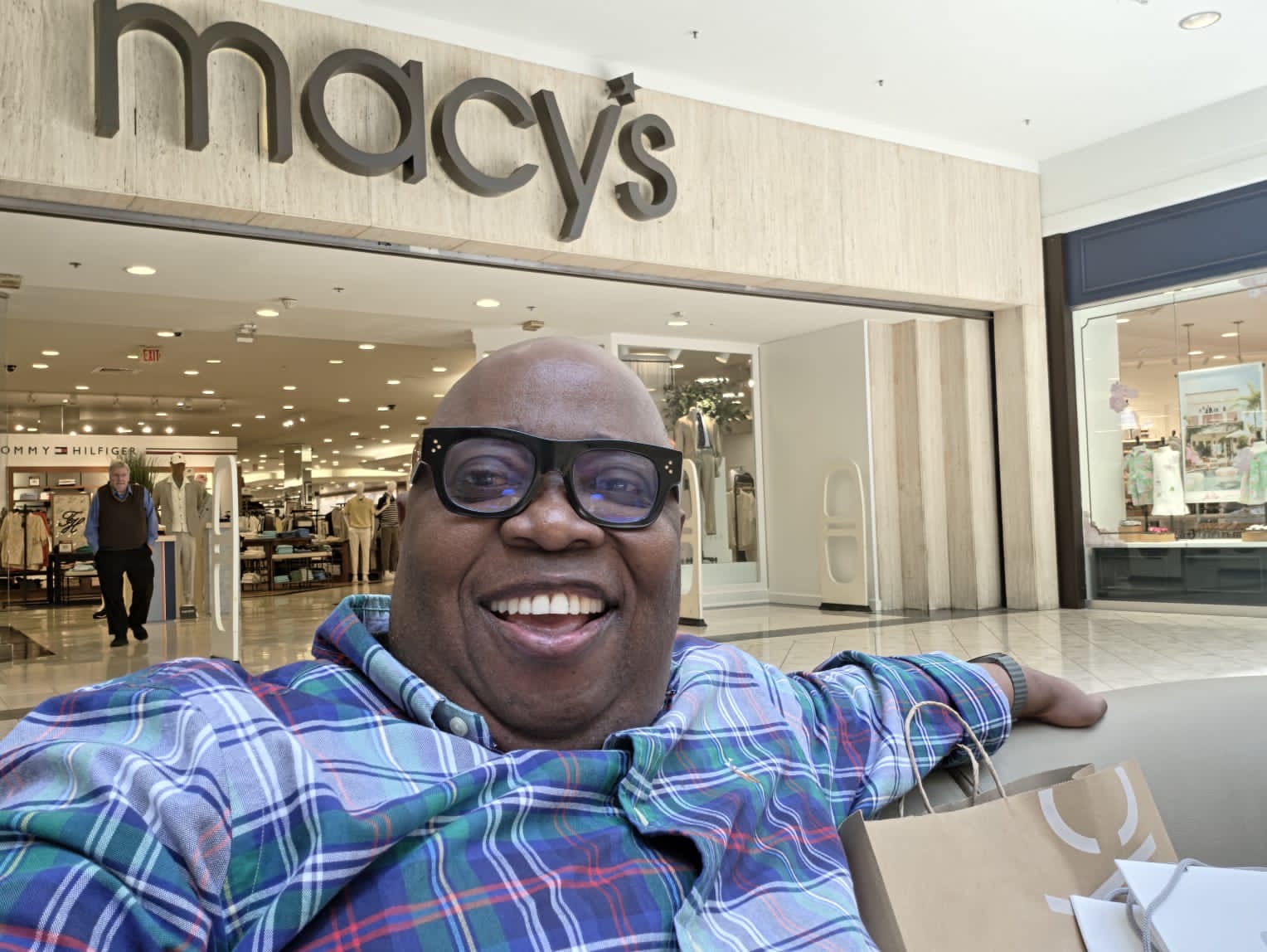
A simple WhatsApp status experiment has offered a fascinating glimpse into the evolving nature of consumer preferences in the digital age. After posting a photograph in front of Macy’s at Short Hills Mall in New Jersey, USA,with the caption “Send me your shopping list,” more than 500 responses were received within 24 hours.
What began as a casual social media interaction quickly transformed into an informal but revealing study of contemporary consumer behavior.
The overwhelming majority of requests centered on fashion, beauty, and lifestyle-related products. A sample of500 respondents shows Perfume as the most requested item (36.8%), followed by female dresses (22.4%), bags(17.2%), sneakers (13.4%), and polo shirts (10.0%). Interestingly, only one person requested a sewing machine(0.2%), a result that stood in sharp contrast to the broader pattern of lifestyle-driven consumption in a simple descriptive survey.
The responses reflect a growing global trend where consumers increasingly prioritize products associated with appearance, prestige, and self-expression. Scholars of consumer culture have long argued that modern purchasing behavior extends beyond functional need and is now deeply tied to identity, social status, and symbolism. French sociologist Pierre Bourdieu observed that consumer choices often reflect social positioning and cultural taste, while economist Thorstein Veblen described consumption as a means of displaying prestige and social standing.
Perfume’s dominance in the poll is particularly telling. Fragrances are often associated with sophistication, attractiveness, and luxury. In many societies, perfumes function not merely as cosmetic products but as markers of confidence and personal identity. (Classen, Howes, & Synnott, 1994; Solomon, 2020).
The strong demand for dresses, bags, and sneakers equally underscores the influence of fashion consciousness in today’s consumer environment.
The findings also reveal the enormous role social media plays in shaping modern desires. Platforms such as WhatsApp, Instagram, TikTok, and Snapchat have become more than communication tools; they now serve as spaces where lifestyle aspirations are displayed, admired, and reproduced. Through status updates, photos, and digital interactions, users are continuously exposed to global fashion trends and luxury-oriented lifestyles.
Experts in digital consumer culture argue that this constant exposure has transformed purchasing decisions. Consumers increasingly seek products that enhance visibility, aesthetics, and social belonging. Sneakers and polo shirts, for instance, have evolved from ordinary clothing items into symbols of youth culture, modern identity, and lifestyle branding.
Yet perhaps the most intriguing aspect of the poll was the lone request for a sewing machine. Unlike perfumes or fashion accessories, the sewing machine represents productivity, craftsmanship, and entrepreneurship rather than symbolic display. Its near absence from the responses may reflect a broader societal shift where visible lifestyle consumption often overshadows productive or vocational aspirations.
The informal poll ultimately demonstrates how even casual social media engagements can reveal important insights about society. Beneath the humor and excitement of “shopping lists” lies a deeper story about aspiration, digital influence, and the changing priorities of contemporary consumers.
In an era increasingly shaped by social media visibility, what people ask for may say as much about society as it does about shopping itself.