
Decisions on presidential term limits must rest with citizens, says Baffour Awuah
By: Adwoa Nyarko Asiamah | 5 January 2025
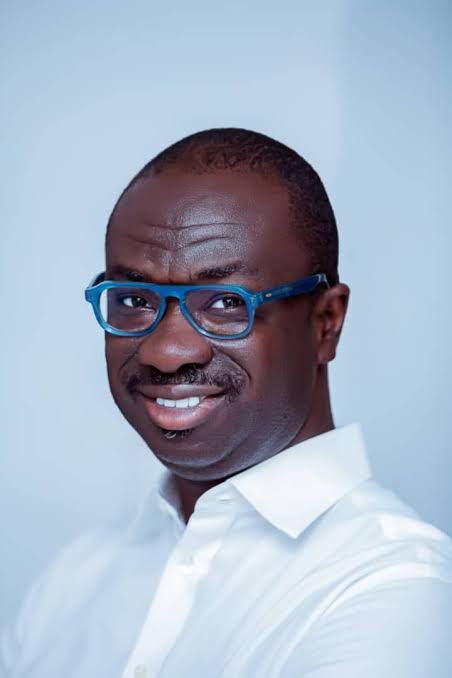
The Member of Parliament for Manhyia South, Nana Agyei Baffour Awuah, has insisted that any attempt to alter Ghana’s presidential term limits should be decided by the electorate rather than by political actors.
Speaking on JoyNews’ AM Show on Monday, the MP, who also serves as Vice Chairman of Parliament’s Subsidiary Legislation Committee, responded to the final report submitted by the Constitution Review Committee to President John Dramani Mahama. The report recommends several amendments to the 1992 Constitution, including extending the presidential term from four years to five years and reducing the minimum age required to contest the presidency.
Mr Awuah argued that decisions of such magnitude should not be left solely to politicians, noting that those who hold or seek political power often have vested interests in prolonging their time in office.
According to him, history shows that both presidents and political parties naturally prefer to maintain power for as long as possible, making it risky to allow elected officials alone to determine changes that directly affect tenure in office. He therefore called for the direct involvement of the Ghanaian people in deciding such constitutional matters.
He further warned that altering key constitutional safeguards in other jurisdictions has frequently led to instability. Mr Awuah stressed that protecting Ghana’s democratic gains requires ensuring that fundamental constitutional changes reflect the will of the people rather than the preferences of political elites.
To underscore his concerns, he cited recent events in neighbouring Benin, where tensions reportedly escalated following an extension of the presidential term, leading to an attempted coup that was eventually unsuccessful.
The comments add to the growing national debate over constitutional reforms, as stakeholders consider how best to balance governance reforms with the preservation of democratic stability.


