
Kumasi, Ghana – By: Evans Osei-Bonsu
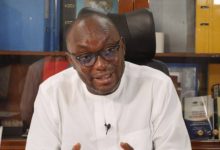
Ghana’s recent economic turnaround is gaining traction with bond markets, as key indicators signal a return to stability following years of volatility. But according to Professor Eric F. Oteng-Abayie, Head of the Economics Department of the Kwame Nkrumah University of Science and Technology (KNUST), lasting credibility will depend on deep, structural reforms—not just short-term gains.
In a policy article titled “Resetting Fiscal Credibility: Why Bond Markets Are Taking Notice”, Prof. Oteng-Abayie outlines how falling inflation, a stronger cedi, and tighter fiscal control have improved investor sentiment and reduced borrowing costs. Yields on 91-day Treasury bills have dropped sharply from nearly 28% in late 2024 to just around 14% by June 2025. The local bond market has responded with similar enthusiasm, reflecting what he calls a “re-anchored commitment to macroeconomic discipline.”
One of the most notable developments has been the steady fall in inflation. After reaching over 23% earlier this year, headline inflation has now declined to 13.7%—the lowest in over three years. Food inflation, a critical metric for consumer welfare, has also dropped, supported by targeted reforms and improved fiscal oversight.
Meanwhile, the Ghana cedi has appreciated by more than 40% against the U.S. dollar, bouncing back from GH₵16.4/USD in late 2024 to GH₵10.3/USD by mid-2025. This recovery, aided by strong cocoa and gold export performance, IMF support, and deliberate foreign exchange interventions by the Bank of Ghana, has helped to stabilise interest rates and ease inflationary pressures.
Prof. Oteng-Abayie also highlights the role of the Bank of Ghana’s monetary policy in restoring market confidence. Despite recent disinflation, the central bank maintained its policy rate at 28% in May 2025, signaling a cautious approach to rate cuts. This consistency, he notes, has provided clarity to markets and reinforced the commitment to long-term stability.
The government’s March 2025 budget, presented by Finance Minister Cassiel Ato Forson, marked a significant policy shift. Featuring bold cuts to subsidies, removal of tax waivers, and aggressive revenue mobilisation targets, the budget aimed to restore macroeconomic order. The IMF-supported programme has backed these reforms with financial support and strict performance benchmarks.
But the article also issues a strong warning: Ghana’s past economic cycles show that stability can be short-lived if reforms are not institutionalised. The economist recalls previous episodes—in 2011 and again in 2015—where hard-won gains were reversed due to political spending, wage bill overruns, and weak enforcement of fiscal rules.
To sustain the momentum, Prof. Oteng-Abayie recommends four key strategies:
•Codify fiscal discipline in law, including enforceable debt ceilings;
•Broaden the tax base through digital compliance and subsidy reforms;
•Improve transparency and communication on fiscal performance; and
•Protect central bank independence by resisting premature monetary easing.
“The bond market has responded positively because it sees a renewed commitment to fiscal responsibility,” he said. “But markets also have a long memory. Without strong institutions and legal safeguards, this progress could unravel.”
He concluded with a call to action: “Ghana has a rare opportunity to shift from crisis management to credible, long-term planning. Not just to reassure investors, but to build an economy that delivers real, inclusive growth.”
Read the full article below
Article-Resetting Fiscal Policy in Ghana
Source: Purefmonline.com || Evans Osei-Bonsu || 2025