If Popularity on the Streets Is the Criteria, Shatta Wale Should Lead the Party — Kwabena Agyapong
By: Adwoa Nyarko Asiamah
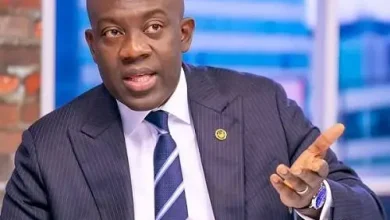
Presidential aspirant of the New Patriotic Party (NPP), Kwabena Agyapong, has stressed that Ghana’s politics must be anchored in nation-building rather than popularity or spectacle.
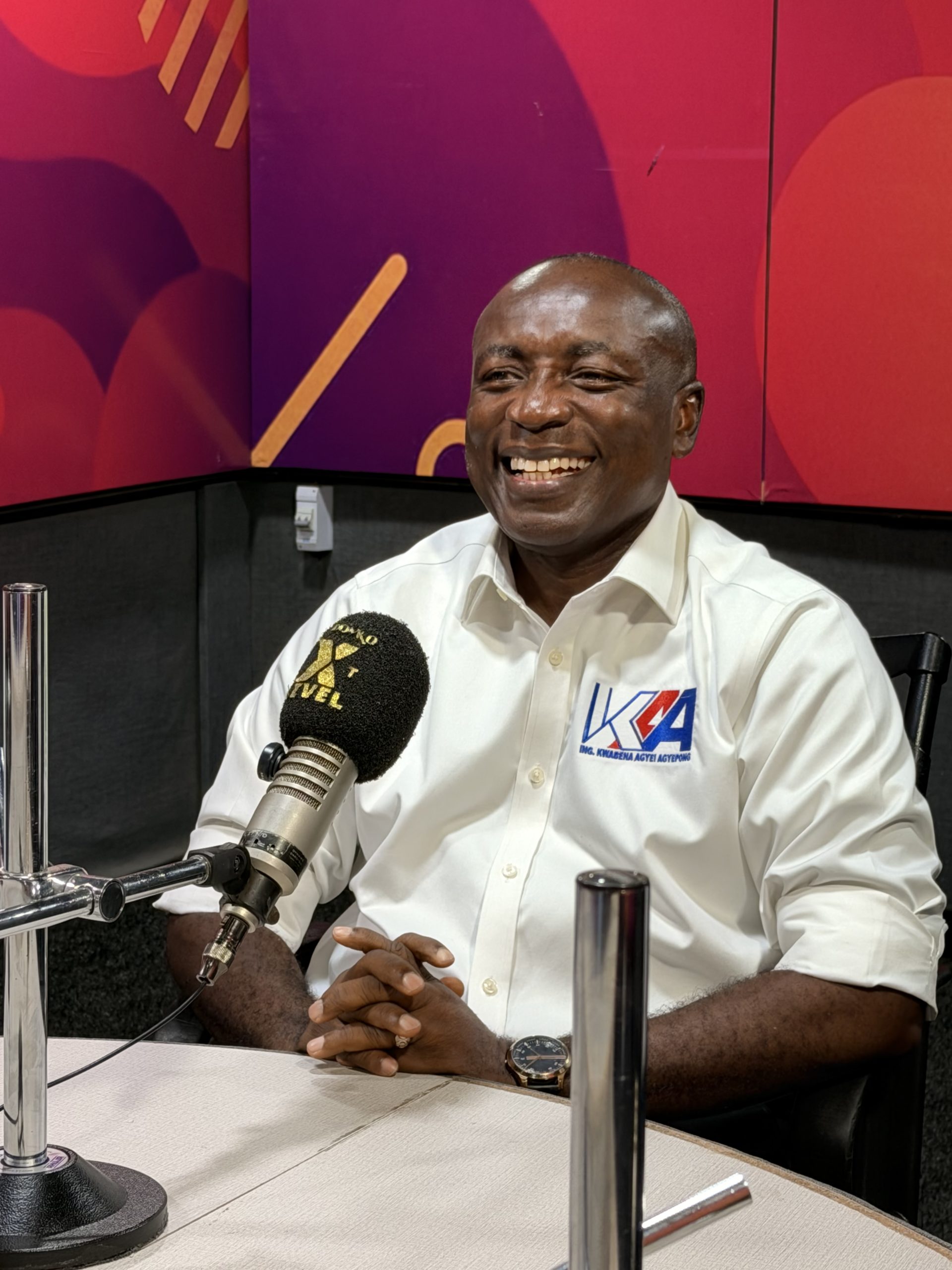
Speaking on Pure FM, Mr Agyapong argued that leadership should be based on competence and ideas, noting that if street popularity alone were the benchmark for leadership, then musician Shatta Wale would be more qualified to lead a political party.
“Our politics is about building a country, but some people do not seem to understand that,” he said.
He called for a national debate among the five presidential aspirants, explaining that such an engagement would elevate the conversation and focus attention on policy and governance rather than personal attacks.
According to him, his six-point plan focuses on critical national issues, including land administration, unemployment, environmental protection, urban planning and public sector reforms. He expressed concern about the deteriorating state of Ghana’s environment, describing conditions in many urban communities as “aesthetically unpleasant.”
Mr Agyapong emphasised the importance of urban regeneration, effective enforcement of planning regulations, and the proper use of development permits, which he believes have been neglected. He also criticised the over-politicisation of the public service, insisting it undermines efficiency and professionalism.
On the judiciary, he described the current size of the Supreme Court as a “double jeopardy for the economy”, pledging to reduce the number of justices to 11 to cut costs, while retaining capable judges regardless of age.
Touching on youth employment, Mr Agyapong highlighted the importance of arts, entertainment and the hospitality industry, noting that these sectors have the potential to absorb many young people. He said artists must be supported to own and protect their creative works.
He also expressed reservations about the decision to convert polytechnics into technical universities, arguing that the institutions were originally designed to focus on practical skills, which should be preserved.
Reflecting on the party’s past, Mr Agyapong said the NPP was once known for decency, unity and intellectual leadership, questioning why internal contests have now become characterised by public disagreements and personal attacks.
“Running a government is not about having money or businesses,” he said, adding that wealth alone does not translate into effective leadership.
He attributed the party’s poor showing in the last elections partly to voter apathy, which he said was fuelled by economic hardship following COVID-19 and declining business confidence.
On the recent peace pact, Mr Agyapong explained that such agreements were not new within the party, but recent defections made this particular one public. He rejected claims by fellow aspirant Kennedy Agyapong that concerns raised were not properly addressed, accusing him of spreading false allegations and failing to apologise.
Mr Agyapong maintained that he remains both a unifying figure for the party and a credible leader for the country.
“I am not driven by materialism. I have served the party faithfully. I am disciplined, truthful and an achiever,” he said, adding that the NPP needs leadership capable of restoring unity and winning back nearly two million voters who abstained in the last elections.